Recent Blogs
- Varicose Veins and Athletes: Can Sports Cause or Prevent Them?
- Can Vein Disease Cause Skin Damage?
- What to Expect During Your First Sclerotherapy Session
- How to Exercise for Varicose Veins?
- A Varicose Vein Could Indicate a Deadly Blood Clot?
- Stretch Marks or Varicose Veins: How to Differentiate?
- Can varicose veins come back after treatment ?
- Some best exercises to prevent varicose veins
- Pregnancy and Vein Health: Tips for Expecting Mothers to Stay Healthy
- How Helpful Is Varithena For Varicose Veins?
Published on: 11-Aug-2026
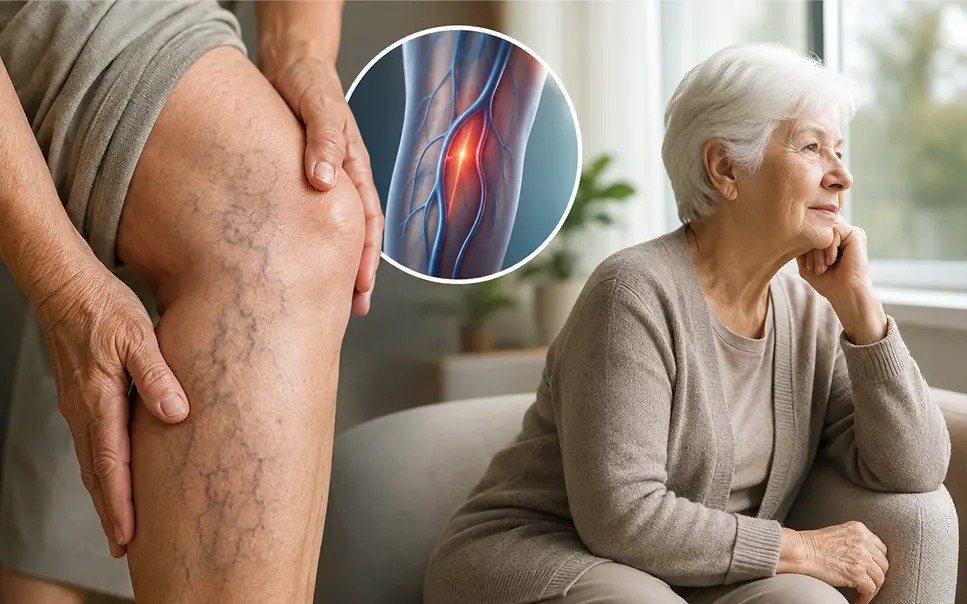
Varicose vein treatment after 60 is often possible, and age alone does not usually rule you out. If aching, swelling, heaviness, or bulging veins are making daily life harder, modern treatment may still be an option in your 60s, 70s, and beyond.
What matters more is your overall health, vein condition, and whether treatment can be performed safely.
Table of Contents
- What Are Varicose Veins?
- Why Are Varicose Veins More Common After 60?
- Are You Too Old for Varicose Vein Treatment?
- When Should Varicose Veins Be Treated?
- What Happens If You Leave Varicose Veins Untreated?
- What Are the Treatment Options After 60?
- Is Varicose Vein Treatment Safe After 60?
- What Is Recovery Like?
- A Healthier Next Step at Any Age
- Frequently Asked Questions
What Are Varicose Veins?
Varicose veins are enlarged, twisted veins that most often appear in the legs. They develop when one-way valves inside the veins weaken or become damaged. Blood can then flow backward and collect instead of moving efficiently toward the heart.
For some people, varicose veins are mainly cosmetic. For others, they cause aching, swelling, itching, throbbing, heaviness, or skin changes that gradually interfere with daily comfort and mobility.
Why Are Varicose Veins More Common After 60?
Aging is one of the most common reasons varicose veins become more noticeable later in life. Over time, vein walls naturally lose elasticity, and the valves inside them may weaken. When this happens, blood can pool in the lower legs instead of circulating efficiently.
Other contributing factors include family history, excess weight, previous pregnancies, long periods of standing or sitting, and reduced physical activity. These factors can gradually increase pressure inside the leg veins, making symptoms more likely over time.
Are You Too Old for Varicose Vein Treatment?
In most cases, no. There is no universal vein treatment age limit at 60 or 70. A specialist is more interested in your overall health and the condition of your veins than your age alone.
Before recommending treatment, a doctor may review your symptoms, medical history, medications, mobility, circulation, and any history of blood clots.
A duplex ultrasound is commonly used to identify abnormal blood flow and determine which veins are affected before planning treatment.
Because every patient is different, treatment decisions are always individualized rather than based on age alone.
When Should Varicose Veins Be Treated?
Visible veins do not always require a procedure. However, persistent symptoms or complications deserve medical attention, especially when they begin limiting everyday activities.
See a vein specialist if you notice:
- Recurring leg pain, aching, or heaviness
- Swelling around the ankles or lower legs
- Itching, burning, or throbbing
- Skin discoloration or eczema-like changes
- A hard, painful vein
- A wound near the ankle that is slow to heal
- Bleeding from a varicose vein
Bleeding varicose veins need prompt assessment. Sudden or persistent leg pain and swelling should also be checked.
What Happens If You Leave Varicose Veins Untreated?
Some varicose veins remain stable, while others progress. Ongoing venous pressure can contribute to worsening swelling, skin pigmentation, inflammation, and, in more advanced cases, venous leg ulcers.
Not everyone develops complications, but worsening symptoms should not be dismissed as part of aging.
What Are the Treatment Options After 60?
Elderly varicose vein treatment options have changed significantly. Many patients no longer need traditional vein-stripping surgery. Depending on the veins involved, treatment may be done in an outpatient setting using small access points and targeted techniques.
Compression and Lifestyle Measures
Walking, maintaining a healthy weight, elevating the legs, and avoiding long periods in one position may reduce discomfort. Compression stockings can also help with swelling and aching. These measures can manage symptoms, but they do not repair every faulty vein or eliminate existing diseased veins.
Endovenous Ablation
This technique uses controlled heat energy to close off damaged veins. A thin catheter is inserted into the vein, and the vein is sealed from the inside. Blood naturally redirects to healthier veins nearby.
Injectable Foam Treatment
In this approach, a medicated foam is injected into the affected vein. The foam irritates the vein lining, causing it to close. Ultrasound guidance is often used to ensure accuracy and safety.
Sclerotherapy
Sclerotherapy is commonly used for smaller varicose veins and spider veins. A solution is injected into the vein, causing it to collapse and gradually fade over time. It is a widely used option for cosmetic and mild symptomatic veins.
The most appropriate treatment depends on the size, location, and severity of the affected veins.
Is Varicose Vein Treatment Safe After 60?
For many people over 60, treatment for varicose veins can be performed safely when properly evaluated. Age alone is not considered a barrier to care.
However, safety depends on individual health factors. Conditions such as poor circulation, clotting disorders, heart disease, or certain medications may influence which treatment is most appropriate.
A careful pre-treatment assessment helps ensure that the chosen approach is both safe and effective for the patient's specific situation.
What Is Recovery Like?
Recovery after modern vein treatment is usually straightforward. Many patients are encouraged to walk shortly after the procedure, as movement helps support healthy circulation.
Some mild bruising, tightness, or swelling may occur in the treated area, but these effects are typically temporary. Most people are able to return to normal light activities within a short period, depending on the type of treatment performed.
Follow-up care and adherence to aftercare instructions play an important role in achieving the best outcome.
A Healthier Next Step at Any Age
Varicose veins are not just a cosmetic issue for many people. They can affect comfort, mobility, and quality of life. Turning 60 or older does not mean treatment is no longer an option. The key is understanding what is happening in your veins and whether intervention could improve symptoms or prevent progression.
If you experience pain, swelling, heaviness, or discomfort, a medical evaluation can help identify the cause and the best next steps. Comprehensive Vein Care offers expert evaluation and minimally invasive treatments tailored to each patient.
If symptoms are affecting your daily life, schedule a consultation with Comprehensive Vein Care to explore your options and improve leg comfort.
Frequently Asked Questions
Can a 70-year-old have varicose vein treatment?
Yes. Treatment decisions are based on overall health, symptoms, and vein condition rather than age alone.
Is there an age limit for varicose vein treatment?
No fixed age limit exists. Each case is evaluated individually.
Are compression stockings enough for varicose veins?
They can help manage symptoms, but they do not repair damaged veins.
Is varicose vein treatment painful?
Most modern procedures are designed to minimize discomfort, though experiences vary by individual and treatment type.
How quickly can older adults return to normal activities?
Many patients resume light activity soon after treatment, but recovery time depends on the procedure and personal health factors.