Recent Blogs
- Deep Vein Thrombosis (DVT) vs Varicose Veins: What’s the Difference?
- Why Elevating Legs Can Benefit Your Health !
- Some best exercises to prevent varicose veins
- 5 Ways To Avoid Blood Clots In Your Legs
- How Varithena works?
- What Is Superficial Thrombophlebitis? Symptoms and When to Worry
- Understanding the Difference in Treatment of Varicose and Spider Veins
- Sclerotherapy An Effective Treatment for Varicose and Spider Veins
- The Link Between Obesity and Varicose Veins Explained
- How to Exercise for Varicose Veins?
Published on: 15-Jun-2026
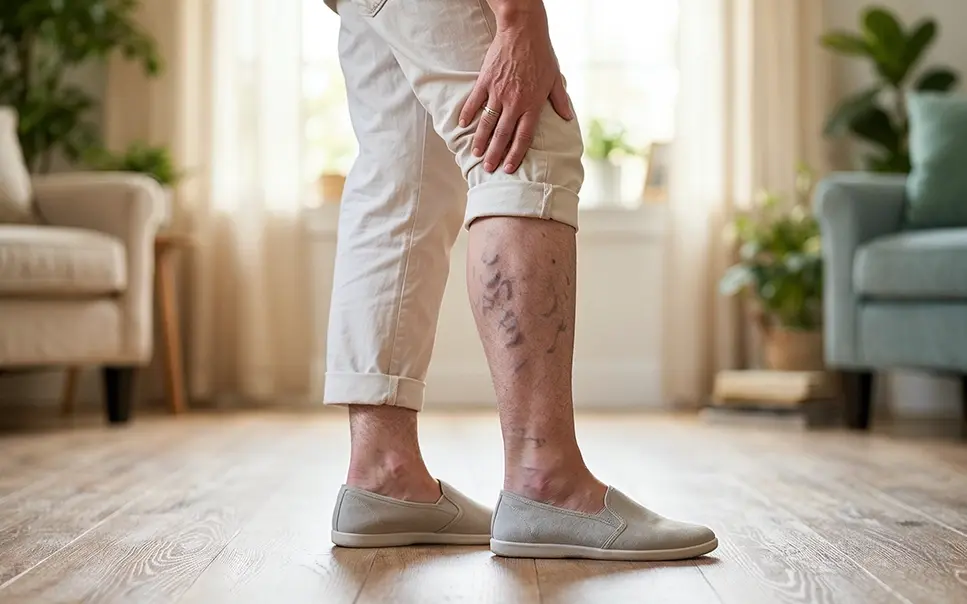
Untreated varicose veins may begin as a visible change in your legs, but they can become more uncomfortable and medically significant over time.
Not everyone develops serious complications. However, varicose veins usually do not disappear on their own, and worsening symptoms should not be ignored.
Table of Contents
- What Are Varicose Veins?
- Do Varicose Veins Always Get Worse?
- The Long-Term Effects of Untreated Varicose Veins
- When Should You See a Vein Specialist?
- How Are Varicose Veins Treated Today?
- Take the Next Step Toward Healthier Legs
- Frequently Asked Questions
What Are Varicose Veins?
Varicose veins are enlarged, twisted veins that usually appear in the legs. They develop when the one-way valves inside the veins become weak or damaged.
Healthy valves help move blood toward the heart. When they stop closing properly, blood can flow backward and collect inside the vein. The resulting pressure causes the vein to stretch, swell, and become visible beneath the skin.
Common symptoms include:
- Heavy, tired, or aching legs
- Ankle or lower-leg swelling
- Burning, throbbing, or itching
- Night cramps or restless legs
- Bulging blue or purple veins
- Discomfort after prolonged sitting or standing
Do Varicose Veins Always Get Worse?
The condition does not progress the same way in every person. Some people have mild cosmetic veins, while others develop venous reflux and chronic venous insufficiency.
Walking, leg elevation, and compression may ease symptoms, but they do not repair damaged valves or close the diseased vein. A professional evaluation can determine whether your veins are mainly cosmetic or part of a circulation problem.
The Long-Term Effects of Untreated Varicose Veins
The long-term effects of varicose veins depend on the severity of the condition, your health, and how long increased venous pressure has affected the legs.
The most common complications of varicose veins include swelling, skin ulcers, blood clots in the legs, and in advanced cases, deep vein thrombosis. These problems are possible, but they do not occur in a fixed order or in every patient.
1. Persistent Leg Swelling and Pain
Mild heaviness may gradually develop into daily leg swelling and pain. Symptoms often worsen after standing and may improve temporarily with movement, elevation, or compression.
Ongoing swelling can interfere with daily activities and may indicate that the veins are not returning blood efficiently.
2. Chronic Venous Insufficiency
Chronic venous insufficiency, or CVI, develops when the leg veins cannot move blood back toward the heart effectively. Blood remains in the lower legs, increasing pressure within the veins and surrounding tissues.
CVI may cause aching, swelling, tightness, itching, cramping, and heaviness. Understanding the risk factors for chronic venous insufficiency can help you identify the condition early.
3. Skin Changes and Venous Eczema
Long-standing venous pressure can make the skin around the ankles dry, itchy, inflamed, hardened, or darker in color. These changes can signal advancing venous disease.
4. Bleeding From a Varicose Vein
Varicose veins sit close to the skin and may bleed if cut, scratched, or injured.
Apply firm pressure and elevate the leg. Seek urgent medical attention if the bleeding is heavy or does not stop.
5. Skin Ulcers From Varicose Veins
Persistent pressure can damage the skin. Skin ulcers from varicose veins often develop near the ankle as a sore that does not heal normally.
Venous ulcers can be painful and may become infected. A wound that has not healed within two weeks should be evaluated.
6. Superficial Vein Thrombosis
A clot may form in a vein near the skin, causing a hard, red, warm, or tender area. This is called superficial vein thrombosis or superficial thrombophlebitis.
It differs from deep vein thrombosis but still requires assessment, especially if pain or redness is spreading.
7. Blood Clots in the Legs
Varicose veins may be associated with an increased risk of blood clots in the legs, including deep vein thrombosis in some patients. DVT develops in a deeper vein and requires prompt treatment.
Seek urgent care for sudden one-sided swelling, warmth, redness, or calf pain. Chest pain, shortness of breath, fainting, or coughing up blood requires emergency attention.
When Should You See a Vein Specialist?
Arrange an evaluation if you have:
- Persistent aching, heaviness, or swelling
- Veins becoming larger or more painful
- Skin discoloration, itching, or hardening
- A red, warm, or tender vein
- Bleeding from a visible vein
- A slow-healing sore near the ankle
- Symptoms affecting daily activities
You do not need to wait for severe complications before seeking help.
How Are Varicose Veins Treated Today?
Modern varicose vein treatment options are often minimally invasive and performed in an office setting.
Options may include:
- VenaSeal, which uses medical adhesive to close the diseased vein
- ClosureFast RFA, which uses radiofrequency energy to seal it
- Varithena, an injectable foam used for certain varicose veins
- Sclerotherapy, which uses an injectable solution for targeted veins
Once a diseased vein is closed, blood is redirected through healthier veins. Recovery varies, and patients may need compression, walking, temporary activity restrictions, or follow-up ultrasound examinations.
Take the Next Step Toward Healthier Legs
Untreated vein disease does not affect everyone in the same way, but persistent or worsening symptoms deserve attention. An evaluation can identify the cause and help reduce the risk of preventable complications.
Comprehensive Vein Care provides in-office diagnostic testing and personalized, minimally invasive care for varicose veins, spider veins, and chronic venous insufficiency. Depending on your condition, the team may recommend VenaSeal, ClosureFast RFA, Varithena, sclerotherapy, or another suitable approach.
Schedule a consultation with Comprehensive Vein Care to understand your symptoms and explore a treatment plan designed around your vein health.
Frequently Asked Questions
Can untreated varicose veins go away on their own?
Varicose veins usually do not disappear because damaged valves cannot control blood flow properly. Movement, elevation, and compression may temporarily reduce symptoms.
Are varicose veins dangerous or only cosmetic?
Some are mainly cosmetic. Others cause pain, swelling, skin changes, superficial clots, bleeding, or ulcers. An evaluation can determine whether a circulation problem is present.
How long does it take for complications to develop?
There is no fixed timeline. Some people remain stable for years, while others worsen sooner. New pain, swelling, skin changes, or wounds should be assessed.
Is varicose vein treatment painful?
Modern procedures are generally well tolerated, but temporary discomfort, bruising, swelling, or activity restrictions may occur. Your provider will explain the benefits, risks, and recovery.
Can compression stockings cure varicose veins?
Compression stockings may reduce swelling and discomfort, but they do not repair damaged valves or eliminate the underlying varicose vein.