Recent Blogs
- Understanding the Difference in Treatment of Varicose and Spider Veins
- How to Exercise for Varicose Veins?
- Free Legs Vein Screening
- Jobs That Increase Your Risk For Varicose Vein
- Can varicose veins come back after treatment ?
- How to Treat Varicose Veins During Pregnancy
- Are Your Shoes Causing Varicose Veins?
- Free Health Screenings Are Quick and Simple
- What is The Cause For Itchy Varicose Veins?
- Deep Vein Thrombosis (DVT) vs Varicose Veins: What’s the Difference?
Published on: 11-Feb-2026
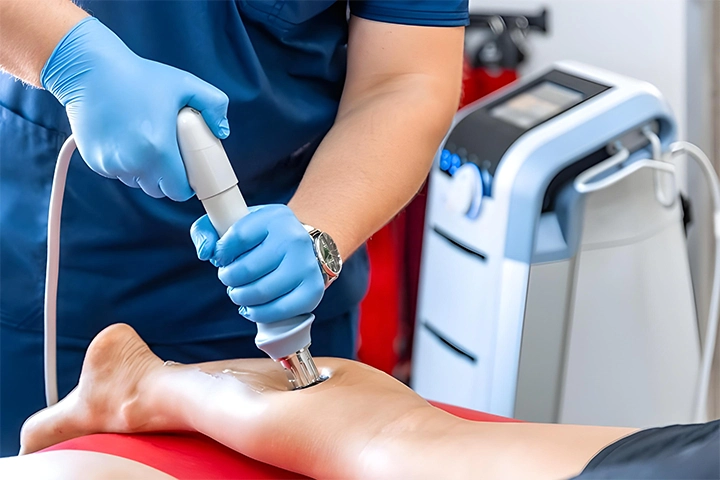
Radiofrequency ablation for varicose veins is a minimally invasive treatment designed to close large, damaged veins that cause leg pain, swelling, and visible bulging. For many people, these veins are more than a cosmetic concern. They often indicate chronic venous insufficiency, a condition where blood flows backward and pools in the legs.
Understanding how this procedure works and what recovery involves can help you choose the right large varicose vein treatment with confidence.
Understanding Large Varicose Veins
Healthy leg veins contain one-way valves that move blood upward toward the heart. When these valves weaken, blood begins to flow backward and collect inside the vein.
This increased pressure stretches the vein walls, causing enlargement and visible bulging.
Common symptoms include:
Leg heaviness or aching
Swelling near the ankles
Burning or throbbing sensations
Rope-like visible veins
Skin discoloration or thickening
Without proper chronic venous insufficiency treatment, symptoms can gradually worsen and may lead to complications such as skin breakdown or ulcers.
Radiofrequency Ablation for Varicose Veins: How It Works
Radiofrequency ablation uses controlled thermal energy to seal malfunctioning veins from the inside. This technique is also known as a radiofrequency vein ablation procedure.
During treatment, a thin catheter is inserted into the affected vein under ultrasound guidance. The catheter delivers heat along the vein wall, leading to vein closure using heat. Once sealed, blood naturally reroutes to nearby healthy veins.
The treated vein does not reopen once successfully closed. Over time, it is absorbed by the body.
If you are considering radiofrequency ablation for varicose veins, it is important to know that the procedure treats the underlying reflux rather than just the visible surface vein.
What to Expect During the Procedure
RFA treatment for varicose veins is typically performed in an outpatient setting and takes about 30 to 60 minutes.
Here is what happens:
An ultrasound exam maps the diseased vein.
Local anesthesia numbs the treatment area.
A small catheter is inserted through a tiny incision.
Radiofrequency energy is delivered in segments.
The vein seals and blood flow redirects.
Patients usually walk immediately after the procedure and return home the same day.
Preparing for Treatment
Preparation is straightforward and often includes:
Wearing loose, comfortable clothing
Staying hydrated
Eating a light meal unless instructed otherwise
Arranging transportation if sedation is used
Insurance verification is typically completed in advance when RFA treatment for varicose veins is medically necessary.
Clear instructions are provided before the procedure so patients understand what to expect.
Recovery After RFA Treatment
Recovery after RFA treatment is generally smooth.
Immediately after the procedure, a compression wrap is applied. Patients are encouraged to walk the same day to promote healthy circulation.
Over the following days:
Compression stockings are worn as directed
Daily walking is recommended
Strenuous activity is limited briefly
Most individuals return to work and normal routines within 24 to 48 hours.
Mild soreness, tightness, or bruising along the treated vein may occur but typically resolves quickly.
Clinical studies report high long-term vein closure rates, with durable symptom relief in the majority of patients.
Benefits and Long-Term Results
Radiofrequency ablation for varicose veins is effective because it addresses the source of venous reflux rather than only treating visible veins.
Clinical outcomes show high closure rates and meaningful symptom improvement. Many patients report:
Reduced swelling
Less leg heaviness
Improved comfort while standing or walking
Gradual cosmetic improvement
Because it directly corrects abnormal blood flow, it remains one of the most reliable minimally invasive vein procedures available today.
Safety and Risks
The radiofrequency vein ablation procedure has been widely studied and is considered safe when performed by experienced specialists using ultrasound guidance.
Complications are uncommon but may include:
Temporary numbness
Mild inflammation
Rare clot formation
Follow-up visits ensure proper healing and confirm successful vein closure.
Insurance and Medical Necessity
Most insurance providers cover radiofrequency ablation for varicose veins when diagnostic ultrasound confirms chronic venous insufficiency treatment is medically necessary.
Pre-authorization helps patients understand their coverage before scheduling the procedure.
When to Consider a Vein Evaluation
You should consider medical evaluation if you experience:
Persistent leg pain or heaviness
Swelling that does not improveSkin darkening near the ankles
Enlarging varicose veins
Large veins rarely improve without treatment. Early large varicose vein treatment can prevent progression and improve long-term comfort.
Final Thoughts
Large varicose veins can affect daily comfort and mobility, especially when caused by chronic venous insufficiency. Modern treatment approaches now focus on correcting the underlying venous reflux rather than only improving appearance. Radiofrequency ablation for varicose veins offers a targeted, minimally invasive solution that seals damaged veins and restores healthier circulation.
Comprehensive Vein Care provides advanced minimally invasive vein procedures tailored to each patient’s condition. If you are experiencing symptoms or considering large varicose vein treatment, a professional evaluation can help you understand your options and determine the most appropriate next step.
Frequently Asked Questions
1. How long does radiofrequency ablation take?
Most procedures take 30 to 60 minutes.
2. Is RFA treatment for varicose veins painful?
Local anesthesia is used, and most patients report minimal discomfort.
3. What is recovery after RFA treatment like?
Recovery is usually quick, with mild soreness and return to daily activities within one to two days.
4. Is the treatment permanent?
The treated vein does not reopen once sealed, though new veins can develop over time.
5. Is RFA covered by insurance?
Most plans cover the procedure when it is medically necessary.