Recent Blogs
- Varicose Veins and Athletes: Can Sports Cause or Prevent Them?
- Sclerotherapy for varicose veins
- The best exercises to get rid of Varicose Veins
- Some best exercises to prevent varicose veins
- World Mental Health Day 2019: Suicide Prevention
- How to Exercise for Varicose Veins?
- What's Behind the Sudden Appearance of Pesky Spider Veins?
- Deep Vein Thrombosis (DVT) vs Varicose Veins: What’s the Difference?
- Some Treatment Options for Saphenous Veins
- A Varicose Vein Could Indicate a Deadly Blood Clot?
Published on: 14-Sep-2026
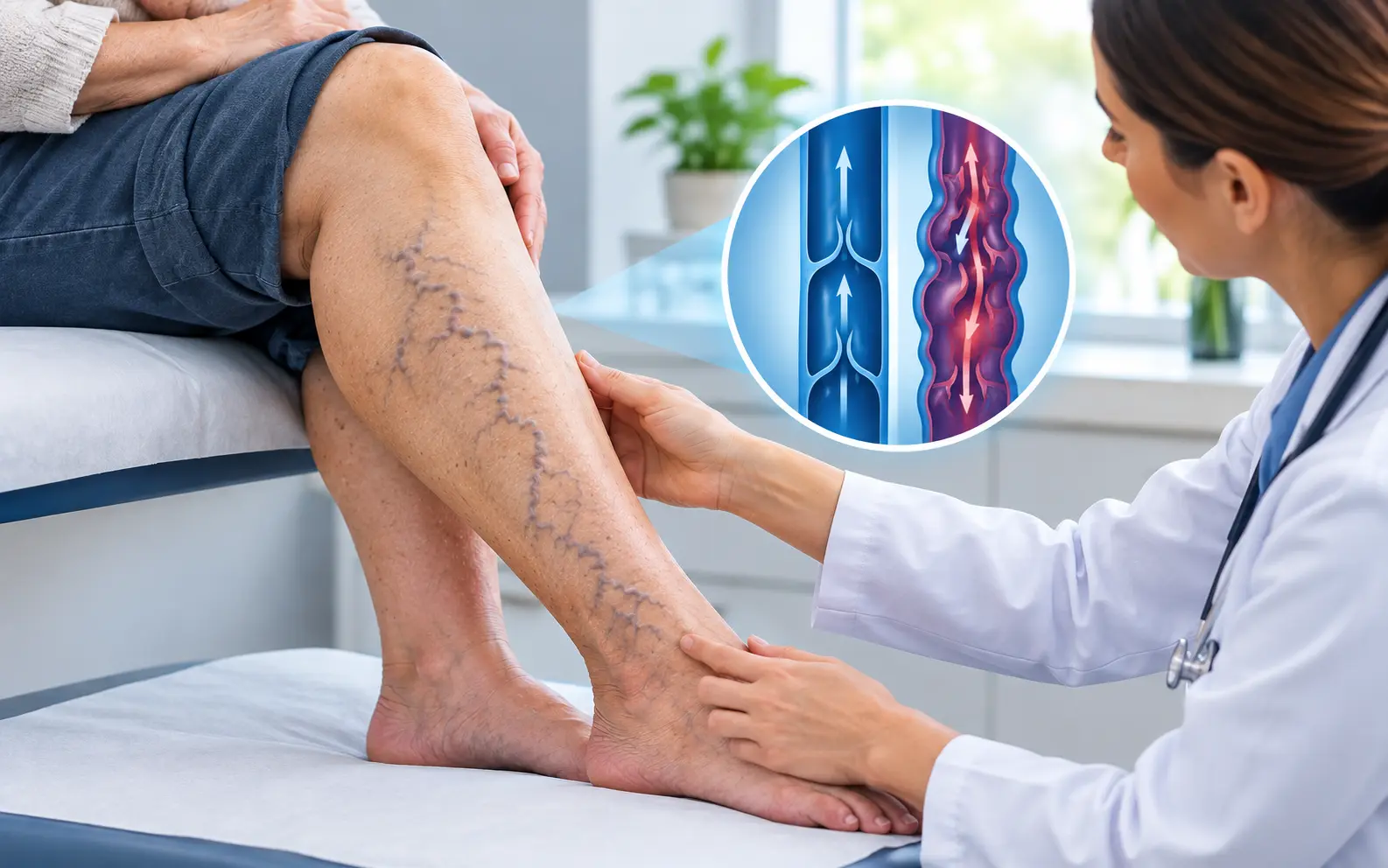
Chronic venous insufficiency (CVI) can start with something easy to dismiss, such as swollen ankles, heavy legs or aching after a long day. But when these symptoms keep returning, they may point to a problem with how blood moves through the veins.
Understanding what causes CVI, recognizing its symptoms and knowing when to seek medical care can help you address vein problems before they lead to more serious complications.
Table of Contents
- What Is Chronic Venous Insufficiency?
- What Causes Chronic Venous Insufficiency?
- What Are the Symptoms of Chronic Venous Insufficiency?
- Is Chronic Venous Insufficiency Serious?
- How Does Chronic Venous Insufficiency Progress?
- How Is Chronic Venous Insufficiency Diagnosed?
- What Is the Treatment for Chronic Venous Insufficiency?
- When Should You See a Vein Specialist?
- Can You Prevent Chronic Venous Insufficiency From Getting Worse?
- Don't Ignore Persistent Vein Symptoms
- FAQs
What Is Chronic Venous Insufficiency?
Your leg veins contain small valves that help blood move upward toward your heart. When these valves become weak or damaged, they may not close properly, allowing blood to flow backward and collect in the legs. This is known as venous reflux.
The increased pressure inside the veins can lead to swelling, aching, varicose veins and, over time, changes to the skin or venous ulcers. CVI is a form of chronic vein disease that can gradually become more troublesome when left unmanaged.
What Causes Chronic Venous Insufficiency?
CVI can develop for several reasons. Anything that damages the veins or affects how their valves work can make it harder for blood to return efficiently to the heart.
Common risk factors include:
- Previous deep vein thrombosis (DVT)
- Varicose veins or a family history of vein problems
- Pregnancy
- Being overweight
- Long periods of sitting or standing
- Limited physical activity
- Smoking
- Increasing age
- Previous leg injury or surgery
A previous DVT is particularly important because a blood clot can damage the valves or leave scarring inside a vein, making it harder for blood to flow normally.
What Are the Symptoms of Chronic Venous Insufficiency?
The chronic venous insufficiency symptoms can develop gradually, so they are often mistaken for ordinary tiredness or the effects of spending too much time on your feet.
Common symptoms include:
- Swelling around the ankles or lower legs
- Aching or throbbing in the legs
- A heavy or tired feeling in the legs
- Itching, burning or tingling
- Leg cramps, especially at night
- Varicose veins
- Darkening or reddish-brown skin around the ankles
- Thickened or leathery skin
- Open sores or ulcers near the ankle
Symptoms often become more noticeable after prolonged standing or toward the end of the day. Some people experience only mild heaviness or swelling, while others develop visible veins, skin changes or ulcers as the condition becomes more advanced.
Is Leg Swelling Always a Sign of CVI?
Leg swelling and pain can have many possible causes, including venous disease, blood clots, certain medications and conditions affecting the heart or kidneys.
Likewise, poor blood circulation in legs is a broad description rather than a specific diagnosis. CVI specifically involves a problem with blood returning through the veins. If swelling or discomfort keeps coming back, a medical evaluation can help identify the actual cause.
Is Chronic Venous Insufficiency Serious?
CVI is generally not a medical emergency, but it should not be ignored.
As pressure continues to build inside affected veins, symptoms can worsen and may eventually contribute to skin discoloration, inflammation, tissue damage and venous ulcers. These ulcers can be difficult to heal and may become infected.
The important point is that persistent symptoms deserve attention. With appropriate management and treatment, symptoms can often be controlled and complications reduced.
How Does Chronic Venous Insufficiency Progress?
Venous disease does not look the same in everyone. Doctors commonly use the CEAP clinical classification to describe the visible and clinical findings associated with chronic venous disease, ranging from no visible signs to active venous ulcers.
| Stage | Description |
|---|---|
| C0 | No visible or palpable signs of venous disease |
| C1 | Spider or reticular veins |
| C2 | Varicose veins |
| C3 | Leg swelling or edema |
| C4 | Skin changes related to venous disease |
| C5 | Healed venous ulcer |
| C6 | Active venous ulcer |
These categories describe clinical findings rather than a simple stage-by-stage progression that every patient will experience. Your symptoms, underlying vein problem and treatment needs can vary.
How Is Chronic Venous Insufficiency Diagnosed?
Diagnosis usually starts with a review of your symptoms, medical history and risk factors, followed by an examination of your legs.
A duplex ultrasound is an important test for evaluating venous disease. It can show the structure of the veins and how blood is moving through them, helping identify venous reflux and determine which veins may be contributing to your symptoms.
This evaluation is also important because swelling and leg discomfort can have causes other than CVI. A proper diagnosis helps ensure that treatment addresses the actual problem.
What Is the Treatment for Chronic Venous Insufficiency?
There is no single venous insufficiency treatment that is right for everyone. The appropriate approach depends on the veins involved, the severity of the condition and your symptoms.
Lifestyle and Conservative Care
Depending on your condition, your provider may recommend:
- Walking and regular physical activity
- Elevating your legs to help reduce swelling
- Maintaining a healthy weight
- Avoiding prolonged sitting or standing
- Compression therapy when medically appropriate
Compression can help manage swelling and discomfort, but it is not appropriate for everyone. People with certain arterial circulation problems may need medical guidance before using compression.
Minimally Invasive Vein Treatment
If problematic veins continue to cause symptoms, a specialist may recommend a minimally invasive procedure.
Depending on the underlying problem, treatment options can include endovenous ablation, sclerotherapy, foam treatment or other vein procedures.
When a superficial vein is contributing to abnormal blood flow, treating or closing that vein can allow blood to be redirected through healthier veins. The appropriate procedure should be determined after a proper vein evaluation rather than based solely on how a vein looks.
When Should You See a Vein Specialist?
You should consider seeing a vein specialist for chronic venous insufficiency when symptoms persist, keep returning or begin interfering with your everyday activities.
A vein evaluation may be appropriate if you have:
- Persistent ankle or leg swelling
- Aching, heaviness or tired legs
- Painful or enlarging varicose veins
- Skin discoloration around the ankles
- Recurrent itching or burning
- Leg cramps that disturb your sleep
- A wound that is slow to heal
- A history of DVT with ongoing leg symptoms
You do not need to wait until symptoms become severe. Getting persistent vein symptoms checked can help identify the underlying problem and determine whether monitoring, lifestyle changes or treatment may be appropriate.
When Is Leg Swelling an Emergency?
Not every swollen leg is caused by CVI.
Sudden swelling in one leg, particularly when accompanied by pain, warmth or redness, needs prompt medical evaluation because these symptoms can occur with a deep vein thrombosis (DVT).
Sudden chest pain, severe shortness of breath, difficulty breathing or coughing up blood can be signs of a pulmonary embolism and require emergency medical attention.
Can You Prevent Chronic Venous Insufficiency From Getting Worse?
Not every case of CVI can be prevented, particularly when age, genetics or previous vein damage are involved.
However, staying active, walking regularly, maintaining a healthy weight and avoiding long periods of sitting or standing can support healthier circulation. If you already have venous disease, following your provider's recommendations can also help manage symptoms and reduce the risk of complications.
Don't Ignore Persistent Vein Symptoms
Swollen ankles after a long day may not seem like a major concern, but recurring swelling, aching, heaviness or skin changes can be signs of an underlying vein problem. Paying attention to these changes and getting them evaluated can help you understand what is causing them and whether treatment is needed.
At Comprehensive Vein Care, patients can receive evaluation and personalized care for venous conditions, including chronic venous insufficiency and varicose veins.
If persistent leg swelling, heaviness, aching or visible vein changes are affecting your daily life, schedule a consultation with Comprehensive Vein Care to have your symptoms properly evaluated.
FAQs
What is the most common symptom of chronic venous insufficiency?
Leg swelling, heaviness and aching are among the most common symptoms.
Is chronic venous insufficiency dangerous?
CVI is generally not an emergency, but untreated disease can lead to worsening symptoms, skin changes and venous ulcers.
Can chronic venous insufficiency be cured?
CVI is a chronic condition, but appropriate treatment can control symptoms, treat problematic veins and reduce the risk of complications.
What doctor treats chronic venous insufficiency?
A vein or vascular specialist can evaluate CVI, identify venous reflux and recommend appropriate treatment.
When should I see a vein specialist?
See a specialist when persistent swelling, aching, heaviness, varicose veins or skin changes are affecting your legs or daily life.