Recent Blogs
- Can varicose veins lead to heart failure?
- How ClosureFast Treatment Transforms Vein Health?
- Sclerotherapy for varicose veins
- Is the Closurefast RFA Procedure A Safe Option For Treating Varicose Veins?
- Are Your Shoes Causing Varicose Veins?
- 11 Myths About Vein Treatments You Need to Know
- Is Leg Pain Always Related to Vein Problems?
- Early Symptoms of Varicose Veins You Should Never Ignore
- Can Dietary Modifications Play a Role in Managing or Preventing Varicose Veins?
- Do Varicose Veins Get Worse Without Treatment?
Published on: 20-Jun-2025
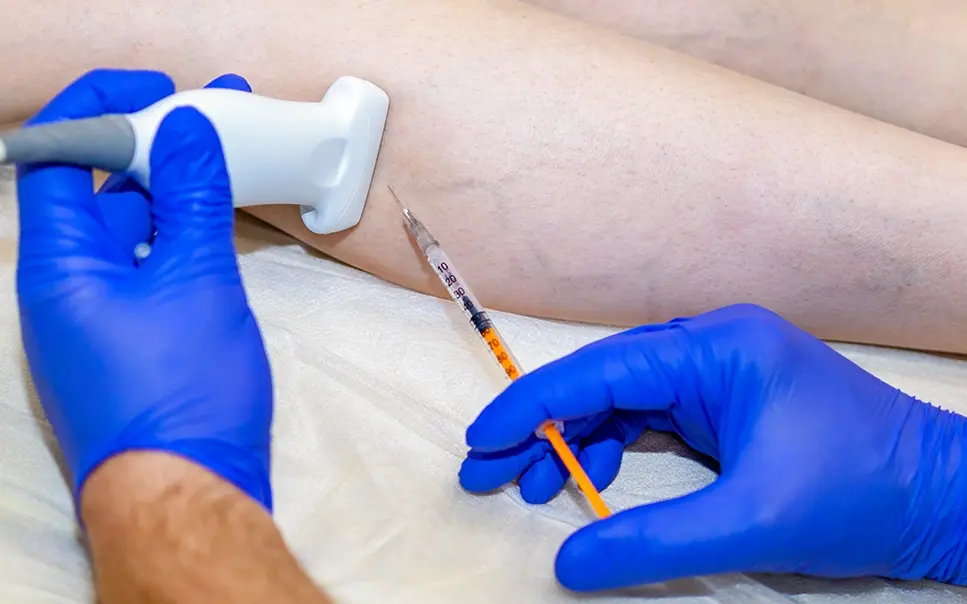
If you have recently had varicose vein treatment or are thinking about it , this question has probably crossed your mind. The short answer is: the treated veins are gone for good, but new ones can develop over time. Understanding why this happens and what you can do about it makes all the difference.
This guide explains what actually happens after treatment, what causes new varicose veins to form, and how you can protect your results for the long term.
Table of Contents
- Do Treated Varicose Veins Actually Come Back?
- True Recurrence vs. New Vein Development
- What Is Varicose Vein Recanalization?
- Why Do New Varicose Veins Form After Treatment?
- Recurrence Rates by Treatment Type
- Can Sclerotherapy Results Last Long Term?
- How to Reduce Your Risk of Varicose Vein Recurrence
- When Should You See Your Vein Specialist Again?
- FAQs
Do Treated Varicose Veins Actually Come Back?
When a vein is treated with a modern minimally invasive procedure , such as VenaSeal, ClosureFast RFA, Varithena, or Sclerotherapy , it is permanently sealed shut. Your body gradually absorbs the closed vein over several weeks to months, and blood is naturally rerouted through healthier veins nearby.
The treated vein itself does not reopen or grow back.
What patients often interpret as their varicose veins "returning" is actually the development of new varicose veins in different parts of the leg. This is an important distinction because it reflects the nature of the underlying condition rather than a failure of treatment.
True Recurrence vs. New Vein Development
Medical professionals recognize two very different situations when discussing varicose vein recurrence after treatment:
True Recurrence
This is when a treated vein partially reopens and blood begins flowing through it again. It is uncommon with modern treatments and typically happens due to incomplete vein closure during the initial procedure.
New Vein Development
This is far more common. New varicose veins form in previously unaffected areas due to the continued progression of venous disease, lifestyle factors, or genetics. The original treated veins remain closed.
Knowing which of these is happening guides the right next step , which is why a follow-up ultrasound is always the starting point.
What Is Varicose Vein Recanalization?
Varicose vein recanalization is the medical term for when a treated vein partially reopens after closure. It occurs in a very small percentage of patients.
With modern minimally invasive procedures, the risk of recanalization is low:
- RFA and Endovenous Laser Ablation: Around 2% to 5%
- VenaSeal: Among the lowest recanalization rates of any current treatment
- Traditional vein stripping (older surgical method): 20% to 60% within five years
This is one of the main reasons minimally invasive procedures have largely replaced surgical approaches , they offer significantly better long-term results with far fewer complications.
Why Do New Varicose Veins Form After Treatment?
Varicose veins are caused by chronic venous insufficiency (CVI) a condition in which the valves inside leg veins fail to close properly, allowing blood to flow backward and pool. Treatment closes the affected veins but does not cure CVI. The underlying disease process can continue in other veins over time.
Several factors contribute to new varicose veins developing after treatment:
Genetics
Family history is one of the strongest predictors. If both parents had varicose veins, your risk of developing new ones remains elevated even after successful treatment. Genetics affect the strength of vein walls and how well vein valves function , factors that cannot be changed through treatment alone.
Neovascularization After Vein Treatment
The body sometimes responds to vein closure by forming small new blood vessels in the same region. This process known as neovascularization after vein treatment can occasionally create new pathways for abnormal blood flow, leading to new visible veins over time.
Lifestyle Factors
Prolonged standing or sitting, excess body weight, and limited physical activity all put continued pressure on leg veins. If these factors persist after treatment, other veins can gradually weaken and become varicose.
Pregnancy
Pregnancy increases venous pressure significantly due to hormonal changes and higher blood volume. Women who become pregnant after vein treatment are at greater risk of developing new varicose veins, even when their previous procedure was fully successful.
Incomplete Initial Treatment
If smaller feeder veins or perforator veins were not addressed during the first procedure, they can continue placing pressure on surrounding veins. This is why a thorough ultrasound evaluation before treatment matters so much it ensures all problem veins are identified and mapped before the procedure begins.
Recurrence Rates by Treatment Type
Varicose vein treatment long-term results vary depending on the procedure used. Here is a general comparison:
| Treatment | Recurrence Rate |
|---|---|
| VenaSeal | Among the lowest under 5% at 1 year |
| ClosureFast RFA | 5% to 10% at 5 years |
| Sclerotherapy | Around 8.7% recurrence rate |
| Traditional vein stripping | 20% to 60% within 5 years |
At Comprehensive Vein Care, we use only modern minimally invasive treatments all of which are associated with significantly lower long-term recurrence compared to older surgical methods.
Can Sclerotherapy Results Last Long Term?
Yes. Studies report that sclerotherapy has a recurrence rate of approximately 8.7%, meaning over 90% of patients remain free of the treated veins after the procedure. The treated veins are absorbed by the body and do not return.
That said, new varicose veins can still develop in other areas over time due to ongoing chronic venous insufficiency. This is why post-treatment lifestyle habits and regular follow-up appointments matter just as much as the procedure itself.
How to Reduce Your Risk of Varicose Vein Recurrence
While genetics cannot be changed, there are several practical steps that significantly lower your risk of developing new varicose veins after treatment:
- Wear compression stockings as directed by your specialist, especially during long periods of standing or sitting
- Stay active — walking, swimming, and cycling all engage the calf muscles and help pump blood back toward the heart
- Maintain a healthy weight to reduce ongoing pressure on leg veins
- Elevate your legs when resting to support healthy venous return
- Avoid prolonged sitting or standing without regular movement breaks
- Schedule routine follow-up appointments so changes in vein health can be caught early and managed before symptoms develop
When Should You See Your Vein Specialist Again?
Contact your vein specialist if you notice any of the following after treatment. You can also review our guide on early symptoms of varicose veins to understand what warning signs to watch for:
- New bulging or twisted veins appearing in the legs
- Returning feelings of leg heaviness, aching, or swelling
- Skin discoloration or itching near a previously treated area
- Any sudden changes in the appearance or comfort of your legs
New symptoms do not necessarily mean your treatment has failed. Early evaluation allows your specialist to assess what is happening and offer straightforward management before the condition progresses further.
The Bottom Line
Can varicose veins come back after treatment? The specific veins that were treated are permanently closed and will not return. However, because varicose veins are caused by chronic venous insufficiency an ongoing condition new veins can develop over time in other areas of the leg.
This is not a treatment failure. It is the nature of a lifelong condition that benefits from long-term management and routine monitoring.
Modern minimally invasive treatments at Comprehensive Vein Care are associated with some of the lowest recurrence rates available. Combined with healthy habits and regular follow-up care, most patients enjoy lasting relief and significantly better quality of life.
FAQs
Q1: Do the same varicose veins come back after treatment?
No. Once a vein has been successfully treated with a modern minimally invasive procedure, it is permanently closed. The body absorbs it over time and it does not reopen.
Q2: Why am I seeing new veins after my treatment?
New veins forming after treatment are caused by the ongoing progression of chronic venous insufficiency not by a failure of your procedure. The original treated veins remain closed.
Q3: What is varicose vein recanalization?
Recanalization is when a treated vein partially reopens after closure. It is uncommon with modern procedures and occurs in approximately 2% to 5% of cases with RFA or laser treatments.
Q4: Do varicose veins return after sclerotherapy?
Studies show that sclerotherapy has a recurrence rate of around 8.7%, meaning over 90% of patients remain free of the treated veins. New varicose veins can still develop in other areas over time.
Q5: How long do varicose vein treatment results last?
With modern minimally invasive treatments, results are long-lasting. At five-year follow-up, recurrence rates for RFA and laser treatments are typically between 5% and 10%. VenaSeal shows similarly low rates.
Q6: What can I do to prevent varicose veins from coming back?
Staying active, maintaining a healthy weight, wearing compression stockings as recommended, and attending regular follow-up appointments are the most effective steps you can take.