Recent Blogs
- Can you travel after Vein Treatment?
- What to Expect During Your First Sclerotherapy Session
- National Diabetes Month & Venous Health
- VenaSeal™ Treatment: How Glue Is Revolutionizing Vein Care
- Is Leg Pain Always Related to Vein Problems?
- What is The Cause For Itchy Varicose Veins?
- The Link Between Obesity and Varicose Veins Explained
- 11 Myths About Vein Treatments You Need to Know
- Effective Vena-Seal Procedure for Varicose Veins
- Are Your Shoes Causing Varicose Veins?
Published on: 10-Jul-2026
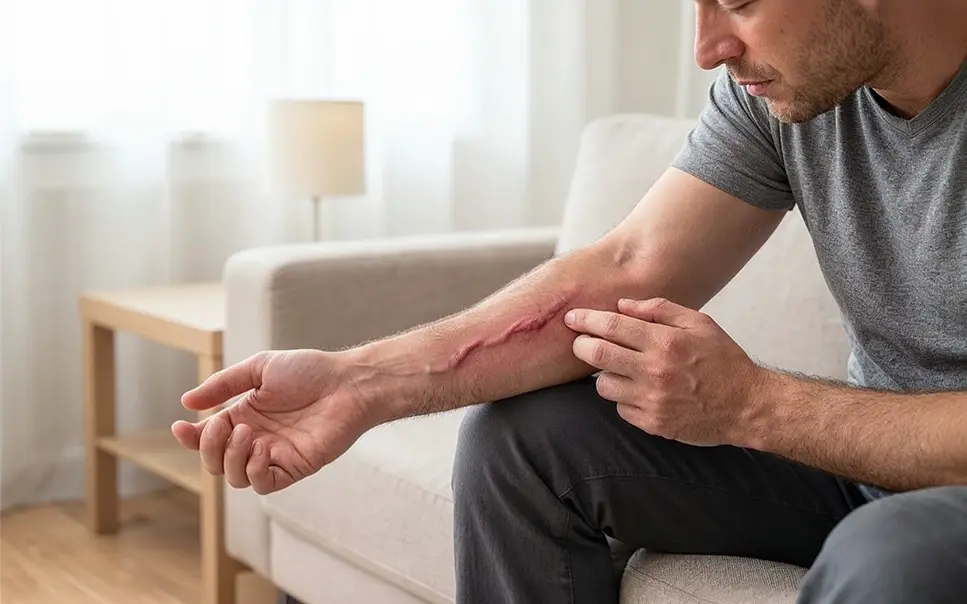
Superficial thrombophlebitis symptoms often show up without warning. A warm, red streak running down your leg. A vein that suddenly feels hard and rope-like under your skin. Pain that flares up every time you stand or take a step.
If that sounds like what you are dealing with right now, keep reading. This guide covers exactly what this condition is, what is causing it, how to tell if it is something more serious, and when you need to act fast.
Table of Contents
- What Is Superficial Thrombophlebitis?
- Common Superficial Thrombophlebitis Symptoms
- What Causes Vein Inflammation Near the Skin Surface?
- Superficial Thrombophlebitis vs DVT: What Is the Difference?
- When Should You Worry?
- How Is It Diagnosed?
- Superficial Vein Thrombosis Treatment
- How to Reduce Your Risk
- Take the Next Step Toward Healthier Veins
- Frequently Asked Questions
What Is Superficial Thrombophlebitis?
Superficial thrombophlebitis happens when a blood clot forms in a vein just below the surface of the skin, triggering inflammation. It most commonly affects veins in the legs, though it can also develop in the arms.
You may hear your doctor call it superficial venous thrombosis (SVT). The affected vein becomes swollen, tender, and often visible as a firm, red line you can see and feel beneath your skin.
Unlike deep vein thrombosis (DVT), where clots form in veins deep within the muscles, a blood clot in a superficial vein sits closer to the surface. While it is generally considered less dangerous than DVT, it should never be ignored because it can sometimes signal or lead to a deeper issue.
Common Superficial Thrombophlebitis Symptoms
Recognizing the signs early is key. The most common symptoms include:
- A firm, cord-like vein that is very sensitive to touch or pressure
- Redness or skin discoloration along the path of the vein
- Warmth or heat in the affected area
- Localized swelling around the vein
- Pain that worsens with standing, walking, or pressure
- A throbbing or burning sensation beneath the skin
These warm, tender vein leg symptoms tend to develop gradually over a few days. Because the vein is near the skin's surface, the signs are usually visible, making them easier to identify than a deeper clot.
What Causes Vein Inflammation Near the Skin Surface?
Several factors can trigger superficial thrombophlebitis. Understanding the causes helps you assess your own risk.
Varicose Veins
The thrombophlebitis varicose veins connection is well documented. Varicose veins cause blood to pool inside stretched, weakened veins. This sluggish flow creates an environment where clots are more likely to form. Studies identify varicose veins as the single most common risk factor, present in up to 88% of superficial thrombophlebitis cases.
Prolonged Inactivity
Sitting or lying in one position for extended periods, whether from bed rest, a long flight, or a desk-bound routine, slows blood flow in the legs and raises the risk of clot formation.
Injury or IV Lines
Trauma to a vein, including from an IV line, catheter, or injection, can damage the vein wall and trigger inflammation and clotting.
Other Risk Factors
Pregnancy, obesity, hormone therapy or birth control pills, a family history of clotting disorders, recent surgery, and certain conditions like cancer or heart failure can all increase your chances of developing this condition.
Superficial Thrombophlebitis vs DVT: What Is the Difference?
Understanding the difference between superficial thrombophlebitis vs DVT matters because the risks and treatment are very different.
Superficial thrombophlebitis affects veins close to the skin. Symptoms are localized, visible, and include redness, warmth, and a palpable cord. It is painful but generally treatable with conservative measures.
DVT affects deeper veins within the muscles, typically in the legs. It can cause significant swelling of the entire limb, deep aching pain, and skin discoloration. The major danger with DVT is that the clot can break loose, travel to the lungs, and cause a pulmonary embolism, a life-threatening emergency.
The critical point: you cannot reliably tell the difference between the two without a professional evaluation. A duplex ultrasound is needed to determine whether the clot is superficial or deep. This step is essential because research shows that 6% to 36% of patients with superficial thrombophlebitis also have a concurrent DVT.
When Should You Worry?
Most cases of superficial thrombophlebitis are manageable and resolve on their own. But there are specific warning signs that require immediate medical attention:
- Symptoms that spread rapidly or move toward the upper thigh or groin
- Sudden, significant swelling of the entire leg
- Shortness of breath or chest pain, which could indicate a pulmonary embolism
- Fever, chills, or signs of infection around the affected vein
- Pain that becomes sharp and worsening rather than dull and steady
- A first-time episode after age 40 with no clear cause
How Is It Diagnosed?
Diagnosis typically starts with a physical examination. Your doctor will check for visible redness, swelling, warmth, and a firm vein beneath the skin.
A duplex ultrasound is then recommended to confirm the diagnosis and rule out DVT. This painless imaging test uses sound waves to visualize blood flow and detect clots in both superficial and deeper veins.
A D-dimer blood test may also be ordered. Elevated levels can indicate clot activity, though this test alone is not conclusive and is usually paired with imaging for a clear picture.
Superficial Vein Thrombosis Treatment
The good news is that most cases resolve within a few weeks with proper care. Superficial vein thrombosis treatment typically includes:
- Applying warm compresses to the affected area two to three times daily
- Elevating the affected leg to reduce swelling and improve blood flow
- Taking over-the-counter anti-inflammatory medications like ibuprofen to manage pain and inflammation
- Wearing compression stockings to support circulation
In more serious cases, particularly when the clot is near the junction where superficial and deep veins meet, or when there is a history of DVT, your doctor may prescribe a superficial thrombophlebitis anticoagulant treatment. Blood thinners like low-molecular-weight heparin can help prevent the clot from growing or spreading into the deep venous system.
Staying active is equally important. Light movement like walking encourages healthy blood flow and helps prevent clot progression.
How to Reduce Your Risk
- Avoid sitting or standing in one position for extended periods
- Take short walks or stretch your legs regularly during long trips
- Stay hydrated throughout the day
- Maintain a healthy weight
- Wear compression stockings if you have varicose veins or a history of vein issues
- Discuss prevention strategies with your doctor before planned surgery or during pregnancy
Take the Next Step Toward Healthier Veins
If you are noticing superficial thrombophlebitis symptoms like warm, tender veins, persistent leg pain, or visible vein changes, a professional evaluation is the smartest move you can make.
At Comprehensive Vein Care, patients receive expert care for a wide range of vein conditions through advanced, minimally invasive treatments like VenaSeal™, ClosureFast™ RFA, Varithena®, and Sclerotherapy. From diagnosis to recovery, the focus is on personalized care, lasting relief, and healthier veins.
Schedule a consultation with Comprehensive Vein Care to understand your symptoms and explore a treatment plan designed around your vein health.
Frequently Asked Questions
Is superficial thrombophlebitis serious?
Most cases resolve within weeks, but a doctor should evaluate it to rule out clot extension into deeper veins.
Can superficial thrombophlebitis turn into DVT?
Yes, a superficial clot can extend into deeper veins, which is why ultrasound evaluation is recommended.
How long does superficial thrombophlebitis last?
Most episodes improve within two to four weeks with treatment, though vein hardness may take longer to fully resolve.
What does superficial thrombophlebitis feel like?
It typically feels like a firm, warm, tender cord under the skin with a throbbing or burning sensation.
Can you get superficial thrombophlebitis in your arm?
Yes, it can develop in arm veins, especially after IV lines, blood draws, or catheter use.