Recent Blogs
- Deep Vein Thrombosis (DVT) vs Varicose Veins: What’s the Difference?
- 8 ways to motivate yourself to walk
- What's Behind the Sudden Appearance of Pesky Spider Veins?
- Varicose Veins and Athletes: Can Sports Cause or Prevent Them?
- All About Varithena
- How ClosureFast Treatment Transforms Vein Health?
- Jobs That Increase Your Risk For Varicose Vein
- What to Expect During Your First Sclerotherapy Session
- How Varithena works?
- How to Exercise for Varicose Veins?
Published on: 21-Apr-2026
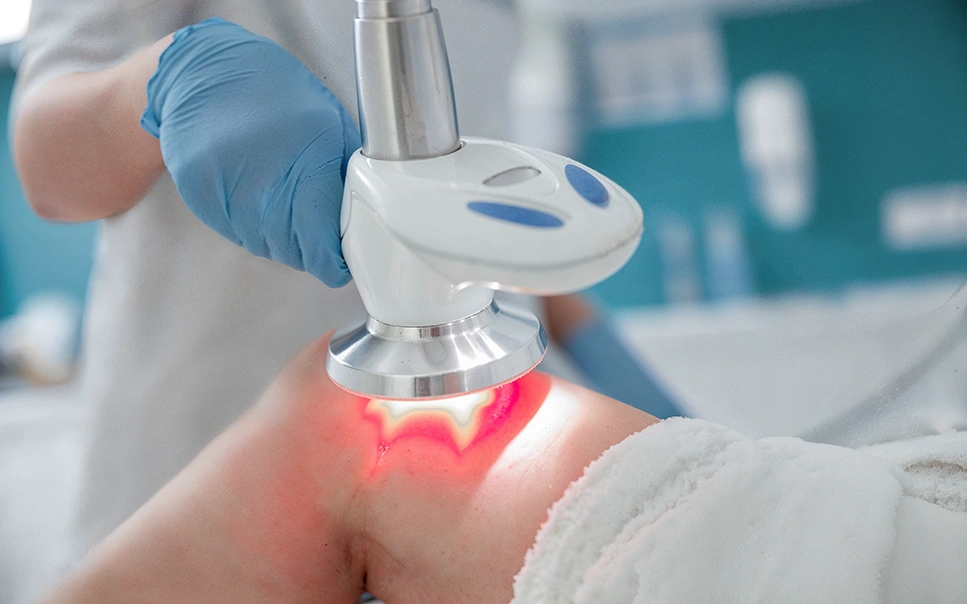
If you're researching the best varicose vein treatment, you've likely come across two names: VenaSeal and laser vein treatment (also called EVLT or Endovenous Laser Treatment). Both are minimally invasive, both work, and both can give you real relief. But they work differently, cost differently, and suit different patients.
This guide breaks down exactly what each treatment does, how they differ, and which one may be better for your specific situation.
Table of Contents
- What Are Varicose Veins and Why Do They Need Treatment?
- What Is VenaSeal?
- What Is Laser Vein Treatment (EVLT)?
- VenaSeal vs Laser Vein Treatment: Key Differences
- Which Treatment Is More Effective?
- Who Should Choose VenaSeal?
- Who Should Choose Laser Treatment (EVLT)?
- What Is the Cost Difference?
- Can VenaSeal and Laser Treatment Be Used Together?
- How to Make the Final Decision
- Getting the Right Treatment Starts With the Right Clinic
- FAQs
What Are Varicose Veins and Why Do They Need Treatment?
Varicose veins are enlarged, twisted veins that appear just beneath the skin's surface, most commonly on the legs. They develop when the valves inside your veins stop working properly, causing blood to pool and the vein walls to bulge outward.
They're not just a cosmetic concern. Untreated varicose veins can lead to:
- Chronic leg pain, heaviness, and fatigue
- Swelling around the ankles
- Skin changes and discoloration
- Venous ulcers in severe cases
The good news? Today's treatment options are faster, safer, and far less painful than anything used even a decade ago.
What Is VenaSeal?
VenaSeal, often called "vein glue," is a medical-grade adhesive that is FDA-approved and safe for use inside the human body.
Here's how it works:
A doctor inserts a thin catheter through a small area of numbed skin directly into the affected vein. Using real-time ultrasound to confirm exact positioning, the doctor injects a drop of medical adhesive into the vein and applies gentle external pressure for about 30 seconds while it sets. This process is repeated along the length of the vein until it is fully sealed. Blood is then naturally rerouted to healthier veins nearby.
No heat. No tumescent anesthesia. No compression stockings required after.
VenaSeal received FDA approval in 2015 and has since become one of the most patient-friendly non-surgical vein treatments available.
What Is Laser Vein Treatment (EVLT)?
Endovenous Laser Treatment, or EVLT, uses heat generated by laser energy to close diseased veins from the inside.
A laser fiber is inserted into the affected vein through a tiny incision. The vein is first identified using ultrasound to confirm only the faulty vein is targeted. The laser is then gradually activated, heating the vein walls until they collapse and seal shut. The procedure typically takes between 30 and 60 minutes depending on the size of the treatment area.
Because heat is involved, local anesthesia must be injected along the entire length of the treated vein before the procedure begins. Compression stockings are required for one to two weeks afterward.
EVLT has been widely used for decades and remains one of the most proven minimally invasive vein procedures available.
VenaSeal vs Laser Vein Treatment: Key Differences
This VenaSeal treatment comparison covers the key differences so you can walk into your consultation already informed.
| Feature | VenaSeal | Laser (EVLT) |
|---|---|---|
| How it works | Medical adhesive seals the vein | Laser heat collapses the vein |
| Anesthesia needed | Minimal (one small injection) | Multiple injections along the vein |
| Compression stockings | Not required in most cases | Required for 1 to 2 weeks |
| Heat involved | No | Yes |
| Recovery Time | Same day | Same/next day |
| Procedure time | Under 1 hour | 30 to 60 minutes |
| Cost | Higher | Lower |
| Best for | All vein sizes, needle-sensitive patients | Large varicose veins, cost-conscious patients |
Which Treatment Is More Effective?
Both are highly effective. But when it comes to clinical outcomes, VenaSeal holds a slight edge.
In a published network meta-analysis comparing multiple vein treatments, VenaSeal ranked first for anatomic success (complete vein closure within 6 months), first for lowest postoperative pain, and lowest in overall adverse events compared to laser, RFA, sclerotherapy, and surgery.
That said, long-term studies confirm that both VenaSeal and laser achieve comparable vein closure rates at 12-month follow-up. Both work. VenaSeal tends to be more comfortable before, during, and after.
The VenaSeal vs EVLT debate comes down less to effectiveness and more to comfort, cost, and candidacy.
Who Should Choose VenaSeal?
VenaSeal is a strong option if you:
- Are sensitive to needles or anxious about multiple injections
- Want to skip wearing compression stockings post-treatment
- Prefer a completely heat-free procedure with minimal bruising
- Have veins located near nerves where heat could cause irritation
- Want to return to normal activity the same day
It is also an excellent choice for older patients or those with complex medical histories where minimizing procedure-related stress on the body matters most.
Who Should Choose Laser Treatment (EVLT)?
Laser treatment is a strong option if you:
- Have large varicose veins, particularly within the great saphenous vein
- Are comfortable with local anesthesia injections along the vein
- Are working within a tighter budget
- Have been specifically recommended EVLT after your diagnostic ultrasound
EVLT is time-tested, widely covered by insurance, and delivers excellent results for the right candidate.
What Is the Cost Difference?
Cost is a real factor and it varies by clinic, location, and vein severity. As a general benchmark:
- Laser treatment (EVLT): $1,500 to $3,000 per leg
- VenaSeal: $3,000 to $5,000 per leg
The price difference exists because VenaSeal uses proprietary adhesive technology with higher material costs. However, VenaSeal patients often have fewer follow-up needs and skip the cost of compression stockings entirely.
Most insurance plans cover both treatments when deemed medically necessary, meaning your veins are causing documented symptoms like pain, swelling, or skin changes. Purely cosmetic cases are typically not covered. Always verify with your insurer before your consultation.
Can VenaSeal and Laser Treatment Be Used Together?
Yes. In some cases, a vein specialist may combine treatments in a single session to address different veins with different characteristics. For example, VenaSeal may be used on one section while laser or sclerotherapy addresses another. Your treatment plan is always guided by ultrasound evaluation, not a one-size-fits-all approach.
How to Make the Final Decision
Neither treatment is universally superior. The right choice comes down to:
- Vein size and location confirmed by ultrasound
- Your comfort level with needles and heat-based procedures
- Your lifestyle and how quickly you need to return to activity
- Your budget and insurance coverage
- Your specialist's recommendation based on your full clinical picture
Do not rely on a general comparison alone. A diagnostic ultrasound is always the starting point.
Getting the Right Treatment Starts With the Right Clinic
Choosing between VenaSeal and laser vein treatment isn't about picking the "better" option, it's about choosing what's right for your veins, your comfort, and your long-term health. The only way to make that decision accurately is through a proper ultrasound evaluation.
At Comprehensive Vein Care, every treatment plan starts with understanding your condition in detail. Whether you need VenaSeal, EVLT, or a combination approach, the focus is always on delivering results that are effective, minimally invasive, and tailored specifically to you.
FAQs
Q1: Is VenaSeal better than laser treatment for varicose veins?
Both are highly effective; VenaSeal causes less discomfort and requires no compression stockings, while laser is more affordable and widely available. Your vein specialist decides based on your ultrasound results.
Q2: Does VenaSeal last as long as laser treatment?
Yes, both achieve comparable long-term vein closure with the treated vein gradually absorbed by the body over time.
Q3: Is laser vein treatment painful?
Most patients feel mild discomfort from the anesthesia injections; VenaSeal requires far fewer injections, making it the preferred choice for needle-sensitive patients.
Q4: How long does recovery take after VenaSeal or laser treatment?
Most patients return to normal activity the same day or within one to two days for both procedures.
Q5: Can VenaSeal and laser treatment be used together?
Yes, a specialist may combine both in a single session to treat different veins based on your ultrasound evaluation.
Q6: Does insurance cover VenaSeal and laser vein treatment?
Both are commonly covered when medically necessary; always confirm with your insurer before scheduling.